
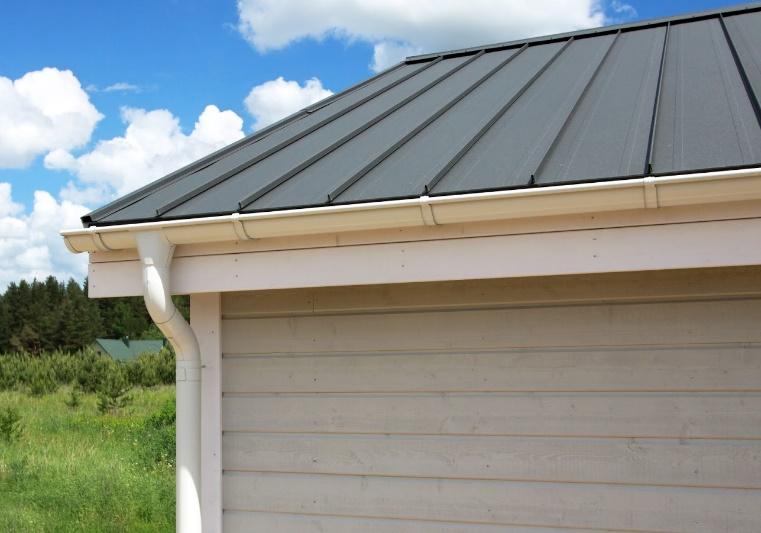
All summer long, the sun beats down on your roof. If your attic is well ventilated, most heat will escape through the vents. On the other hand, if the attic is not well ventilated, it will quickly grow hotter and more humid, leading to a myriad of problems for your roof and throughout the rest of your home. Attic ventilation deserves to be a "hot topic" this summer since so many attics are not as well ventilated as they could be. So here's a closer look.
How Can You Tell Whether Your Attic Is Poorly Ventilated?
In the summer, attic vents give the heat that travels through the roof an escape route. They also serve to exhaust warm air that has risen into the attic from the rest of the home. If heat is getting trapped in your attic, you may notice any of the following issues.
Premature Roof Damage
Your roof shingles are made to withstand only a certain amount of heat. Even the best-quality shingles will break down faster when sitting atop a hot, humid attic. After all, when the heat can't escape through the vents, it rises back up through the shingles. You may notice shingle damage especially along the peak of the roof, since this is where heat tends to escape first.
Moldy Insulation
The warmer air gets, the more moisture it can hold. So, when the temperature in your attic rises, the area also tends to grow more humid. This creates the perfect conditions for mold growth. First, your attic insulation may grow moldy, which impedes its ability to block heat transfer, and then your building materials may begin molding too.
Increased Cooling Bills
As your attic grows increasingly warm, some of that heat will transfer through the ceiling and into the top story of your home. Your air conditioner will then have to work harder to keep your home cooler, raising your cooling bills. This additional work also puts excessive strain on you’re A/C unit, and the extra wear and tear may shorten the unit’s lifespan and lead to a more frequent need for repairs.
How Is Attic Ventilation Improved?
If your roof is showing signs of shingle damage, or if you have mold in your attic or increasing A/C bills, it's time to talk to your roofing contractor about improving your attic ventilation. There are a few different solutions your contractor may recommend depending on your roof's layout and the level of ventilation needed.
Ridge Vents
Ridge vents are, in most cases, the most effective means of ventilating an attic. To create a ridge vent, your contractor can remove an inch of roof decking from either side of the ridge line of the roof. A vent typically runs the entire length of the roof's ridge, allowing for plenty of air exchange. If your home's roof does not have a ridge vent, your roofing contractor will likely recommend you add one.
Soffit Vents
Soffit vents are small vents that are fitted under the eaves of the roof. They are usually used in conjunction with a ridge vent. If your home has a ridge vent but is still lacking in ventilation, your roofing contractor may recommend adding a few soffits, as they're rather easy to install.
Box Vents
Also known as louvered vents or low-profile vents, this style of vent is shaped like a box and is raised above the surface of the roof. Box vents are often used when the shape of the roof does not allow for the use of a ridge vent. If you already have a few ridge vents but are in need of additional ventilation, your roofing contractor may install a few more box vents.
With warmer temperatures beginning to roll in, it's more important than ever that your attic is properly ventilated. If you notice signs of poor ventilation, schedule a consultation with The Recommended Roofers ASAP.
How Can You Tell Whether Your Attic Is Poorly Ventilated?
In the summer, attic vents give the heat that travels through the roof an escape route. They also serve to exhaust warm air that has risen into the attic from the rest of the home. If heat is getting trapped in your attic, you may notice any of the following issues.
Premature Roof Damage
Your roof shingles are made to withstand only a certain amount of heat. Even the best-quality shingles will break down faster when sitting atop a hot, humid attic. After all, when the heat can't escape through the vents, it rises back up through the shingles. You may notice shingle damage especially along the peak of the roof, since this is where heat tends to escape first.
Moldy Insulation
The warmer air gets, the more moisture it can hold. So, when the temperature in your attic rises, the area also tends to grow more humid. This creates the perfect conditions for mold growth. First, your attic insulation may grow moldy, which impedes its ability to block heat transfer, and then your building materials may begin molding too.
Increased Cooling Bills
As your attic grows increasingly warm, some of that heat will transfer through the ceiling and into the top story of your home. Your air conditioner will then have to work harder to keep your home cooler, raising your cooling bills. This additional work also puts excessive strain on you’re A/C unit, and the extra wear and tear may shorten the unit’s lifespan and lead to a more frequent need for repairs.
How Is Attic Ventilation Improved?
If your roof is showing signs of shingle damage, or if you have mold in your attic or increasing A/C bills, it's time to talk to your roofing contractor about improving your attic ventilation. There are a few different solutions your contractor may recommend depending on your roof's layout and the level of ventilation needed.
Ridge Vents
Ridge vents are, in most cases, the most effective means of ventilating an attic. To create a ridge vent, your contractor can remove an inch of roof decking from either side of the ridge line of the roof. A vent typically runs the entire length of the roof's ridge, allowing for plenty of air exchange. If your home's roof does not have a ridge vent, your roofing contractor will likely recommend you add one.
Soffit Vents
Soffit vents are small vents that are fitted under the eaves of the roof. They are usually used in conjunction with a ridge vent. If your home has a ridge vent but is still lacking in ventilation, your roofing contractor may recommend adding a few soffits, as they're rather easy to install.
Box Vents
Also known as louvered vents or low-profile vents, this style of vent is shaped like a box and is raised above the surface of the roof. Box vents are often used when the shape of the roof does not allow for the use of a ridge vent. If you already have a few ridge vents but are in need of additional ventilation, your roofing contractor may install a few more box vents.
With warmer temperatures beginning to roll in, it's more important than ever that your attic is properly ventilated. If you notice signs of poor ventilation, schedule a consultation with The Recommended Roofers ASAP.
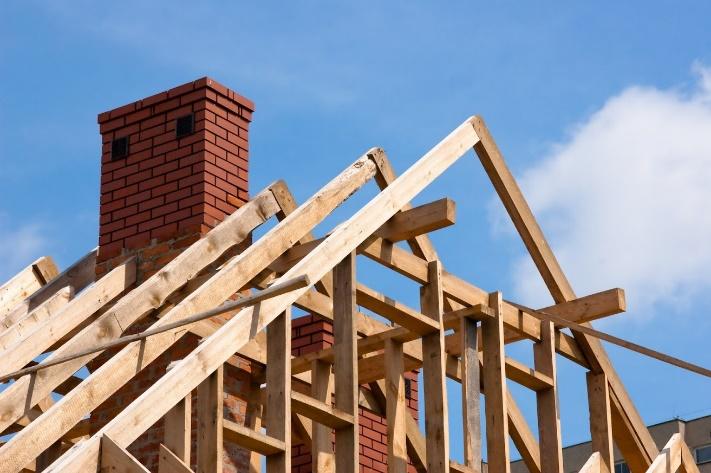
Many homeowners assume that if their roof is not leaking, it must be fine. However, you can save yourself a lot of headaches--and money spent on repairing water damage--if you learn to spot signs of roofing damage before leaks even occur. Here are four more subtle signs that indicate it's time to call your roofing company because leaks are just around the corner.
Granules In the Gutters
As your shingles age, the granules on their surface start becoming detached, rinsing off the roof and into your gutters. A couple of granules here and there are generally not a cause for concern, but if you're scooping handfuls of granules out of your gutters, your shingles are near the end of their life and it's time to call your roofing company. Chances are, you'll need to have your roof replaced because without the granules, the shingles won't be able to do their job of repelling water much longer.
Pay attention to whether the granules are found evenly throughout your gutters, or if one side or section of the roof seems to be "shedding" more than the others. If just one area is shedding, this could indicate that this section of roof is being exposed to more sunlight or moisture than the rest of the roof. Your roofing contractor may recommend using a more durable, heat-resistant shingle to prevent the same issue from happening with your new roof.
Peeling Shingles
Before shingles completely go missing and lead to leaks, they often start to peel up along the edges or in the corners. If there are just a few shingles peeling, your roofing contractor may be able to just replace those shingles rather than replacing the whole roof. It's important to replace peeling shingles promptly because if they are left in place and leaks develop, the wooden underlayment could begin to rot, causing the roof to sag.
If the shingles along the edge of your roof are peeling, especially after winter, this could be a sign that your attic is not properly insulated. Inadequate attic insulation causes ice dams to form along the edge of the roof. The ice can work its way under shingles, leading to peeling and eventually leaks. Adding more insulation to your attic will help ensure your new shingles don't suffer the same fate.
Missing or Damaged Flashing
Flashing is the metal material that you see around the edges of chimneys and in valleys where two sections of your roof joint together. Sometimes, this flashing starts to peel away or work itself loose. When this occurs, water can begin seeping under the nearby shingles, leading to leaks and underlayment damage.
If you act quickly, your roofing contractor can probably just replace the flashing and perhaps a few of the surrounding shingles. Ignore this issue, and you may find yourself in need of extensive roof repairs down the road.
Excessive Moss Growth
A little moss here and there won't typically lead to leaks, but what starts as a little moss can quickly turn into a whole colony of moss--and before you know it, a whole roof full of damaged shingles. The moss eats away at the shingle material as it grows. If you're confident on a ladder, you can generally scrape and sweep away the beginnings of a moss problem on your own.
However, if there's more than a patch of moss here and there, you're best off calling your roofing company. They may need to not only remove the moss, but also replace some of the more damaged shingles before leaks begin to develop.
Don't wait until your roof is leaking to call a roofing company. If you ever notice any peeling shingles, damaged flashing, moss growth, or excessive granule loss, contact Recommended Roofers before things get any worse.
Granules In the Gutters
As your shingles age, the granules on their surface start becoming detached, rinsing off the roof and into your gutters. A couple of granules here and there are generally not a cause for concern, but if you're scooping handfuls of granules out of your gutters, your shingles are near the end of their life and it's time to call your roofing company. Chances are, you'll need to have your roof replaced because without the granules, the shingles won't be able to do their job of repelling water much longer.
Pay attention to whether the granules are found evenly throughout your gutters, or if one side or section of the roof seems to be "shedding" more than the others. If just one area is shedding, this could indicate that this section of roof is being exposed to more sunlight or moisture than the rest of the roof. Your roofing contractor may recommend using a more durable, heat-resistant shingle to prevent the same issue from happening with your new roof.
Peeling Shingles
Before shingles completely go missing and lead to leaks, they often start to peel up along the edges or in the corners. If there are just a few shingles peeling, your roofing contractor may be able to just replace those shingles rather than replacing the whole roof. It's important to replace peeling shingles promptly because if they are left in place and leaks develop, the wooden underlayment could begin to rot, causing the roof to sag.
If the shingles along the edge of your roof are peeling, especially after winter, this could be a sign that your attic is not properly insulated. Inadequate attic insulation causes ice dams to form along the edge of the roof. The ice can work its way under shingles, leading to peeling and eventually leaks. Adding more insulation to your attic will help ensure your new shingles don't suffer the same fate.
Missing or Damaged Flashing
Flashing is the metal material that you see around the edges of chimneys and in valleys where two sections of your roof joint together. Sometimes, this flashing starts to peel away or work itself loose. When this occurs, water can begin seeping under the nearby shingles, leading to leaks and underlayment damage.
If you act quickly, your roofing contractor can probably just replace the flashing and perhaps a few of the surrounding shingles. Ignore this issue, and you may find yourself in need of extensive roof repairs down the road.
Excessive Moss Growth
A little moss here and there won't typically lead to leaks, but what starts as a little moss can quickly turn into a whole colony of moss--and before you know it, a whole roof full of damaged shingles. The moss eats away at the shingle material as it grows. If you're confident on a ladder, you can generally scrape and sweep away the beginnings of a moss problem on your own.
However, if there's more than a patch of moss here and there, you're best off calling your roofing company. They may need to not only remove the moss, but also replace some of the more damaged shingles before leaks begin to develop.
Don't wait until your roof is leaking to call a roofing company. If you ever notice any peeling shingles, damaged flashing, moss growth, or excessive granule loss, contact Recommended Roofers before things get any worse.


